
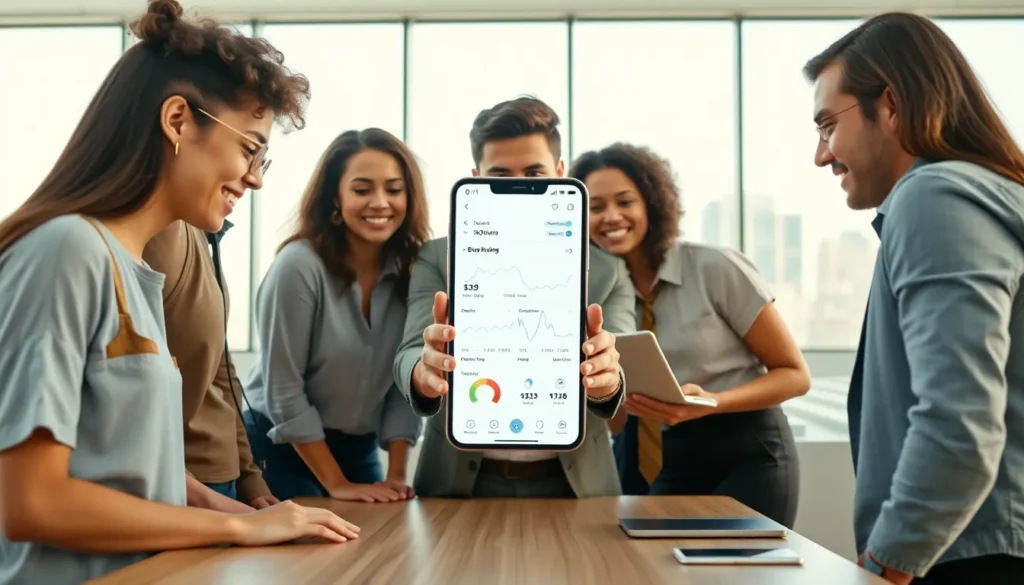

Fintech for beginners can seem overwhelming at first glance. The term appears everywhere, from news headlines to app store recommendations. But fintech isn’t some distant technology reserved for Wall Street traders. It’s the banking app on your phone. It’s the service that lets you split dinner with friends. It’s how millions of people invest, borrow, and manage money today.
This guide breaks down fintech into clear, digestible pieces. Readers will learn what fintech actually means, how it affects daily banking, and which tools might fit their financial lives. No jargon. No hype. Just practical information for anyone ready to understand this shift in how money moves.
Table of Contents
ToggleKey Takeaways
- Fintech for beginners simply means technology that delivers financial services through apps and digital platforms—like mobile banking, payment apps, and investment tools.
- Common fintech services include digital payments, robo-advisors, budgeting apps, online lenders, and neobanks that operate without physical branches.
- Fintech offers major benefits like 24/7 convenience, lower fees, faster transactions, and greater accessibility for underserved populations.
- Security risks exist, so always enable two-factor authentication and research a company’s practices before sharing financial data.
- Start your fintech journey by identifying one specific need, testing with small amounts, and exploring your existing bank’s digital tools first.
- Regularly monitor your accounts and use customer support when confused to avoid costly mistakes.
What Is Fintech?
Fintech combines “financial” and “technology” into one word. It describes any technology that delivers financial services through software, algorithms, or digital platforms. This includes mobile banking apps, payment processors, investment platforms, and lending services.
The concept isn’t new. ATMs were fintech in the 1960s. Online banking was fintech in the 1990s. What’s changed is the speed and scale. Today’s fintech companies build products that work entirely on smartphones. They often skip traditional banks altogether.
Startups drive much of this innovation. Companies like PayPal, Square, and Stripe started as small operations with big ideas. They identified friction in financial services and built solutions. Traditional banks noticed. Many now partner with fintech firms or build their own digital tools.
Fintech serves individuals and businesses alike. A freelancer might use fintech to invoice clients and track expenses. A small business might use it to accept credit cards without expensive equipment. A family might use it to budget, save, and invest, all from one app.
The industry has grown fast. Global fintech investment reached hundreds of billions of dollars in recent years. This growth reflects real demand. People want faster, cheaper, and more accessible financial services. Fintech delivers.
How Fintech Is Changing Everyday Banking
Traditional banking required physical branches. Customers visited tellers to deposit checks, transfer funds, or apply for loans. Fintech removes these barriers. Most banking tasks now happen on a screen.
Mobile banking leads this change. Nearly 80% of Americans with bank accounts use mobile banking apps. They check balances, pay bills, and send money without visiting a branch. Some banks operate entirely online, with no physical locations at all.
Peer-to-peer payments have reshaped how people exchange money. Services like Venmo, Zelle, and Cash App let users send funds instantly. Splitting rent with roommates takes seconds. Paying back a friend for coffee happens before leaving the table.
Fintech also speeds up loan decisions. Traditional lenders took days or weeks to approve applications. Fintech lenders use algorithms to assess risk in minutes. Borrowers receive funds faster, sometimes within hours.
Customer service has evolved too. Chatbots answer basic questions around the clock. AI systems flag suspicious transactions before customers notice problems. These tools reduce wait times and improve security.
Banks haven’t disappeared. But they’ve adapted. Most major banks now offer robust mobile apps and digital services. Fintech pushed them to improve. Competition benefits consumers through better products and lower fees.
Common Types of Fintech Services
Fintech covers a wide range of services. Understanding the main categories helps beginners identify useful tools.
Digital Payments
Payment apps handle transactions between individuals and businesses. PayPal pioneered this space. Today, Apple Pay, Google Pay, and Samsung Pay let users tap their phones at checkout. Cryptocurrency payment systems offer another option, though they remain less common for everyday purchases.
Investment Platforms
Robo-advisors automate investment management. Platforms like Betterment and Wealthfront build portfolios based on user goals and risk tolerance. They charge lower fees than traditional financial advisors. Trading apps like Robinhood and Fidelity let users buy stocks directly without broker commissions.
Personal Finance Tools
Budgeting apps track spending and help users save. Mint, YNAB (You Need A Budget), and PocketGuard connect to bank accounts and categorize transactions automatically. These tools show where money goes each month.
Lending Services
Online lenders offer personal loans, mortgages, and business financing. SoFi, LendingClub, and Prosper match borrowers with competitive rates. Buy-now-pay-later services like Affirm and Klarna let shoppers split purchases into installments.
Insurance Technology
Insurtech companies simplify insurance shopping and claims. Lemonade uses AI to process claims in seconds. Root and Metromile offer auto insurance based on actual driving behavior.
Banking Alternatives
Neobanks operate without physical branches. Chime, Current, and Varo offer checking and savings accounts through apps. They often waive fees that traditional banks charge.
Benefits and Risks to Consider
Fintech offers clear advantages. But it carries risks that users should understand before diving in.
Benefits
Convenience tops the list. Users manage finances from anywhere with internet access. No branch visits. No limited hours. Services run 24/7.
Lower costs attract many users. Fintech companies often operate with less overhead than traditional banks. They pass savings to customers through reduced fees and better interest rates.
Speed matters for time-sensitive transactions. Money moves faster through fintech channels. Loan approvals happen quickly. Payments clear immediately.
Accessibility expands financial services to underserved populations. People without nearby bank branches can open accounts online. Those with limited credit history may qualify for alternative lending products.
Risks
Security concerns deserve attention. Digital platforms face hacking threats. Users should enable two-factor authentication and use strong passwords. Checking a company’s security practices before sharing financial data makes sense.
Less personal support frustrates some users. Chatbots and automated systems can’t solve every problem. Complex issues may require patience and persistence to resolve.
Regulatory gaps exist in some fintech sectors. Traditional banks face strict oversight. Some fintech products operate with lighter regulation, which can affect consumer protections.
Over-reliance on technology creates vulnerability. App outages or technical glitches can temporarily block access to funds. Keeping some backup options provides peace of mind.
Balancing benefits against risks helps users make informed choices. Most fintech products suit most people when used thoughtfully.
Getting Started With Fintech Tools
Beginners can approach fintech step by step. Starting small builds confidence and limits exposure to unfamiliar systems.
Identify specific needs first. Someone struggling to track spending might start with a budgeting app. Someone tired of writing checks might try a payment app. Solving one problem at a time prevents overwhelm.
Research before downloading. Read reviews from multiple sources. Check how the company makes money, free apps often monetize user data or push premium features. Look for established companies with track records.
Start with your existing bank. Most traditional banks offer solid mobile apps and digital tools. These integrate with existing accounts and carry familiar protections. Exploring a bank’s own fintech features costs nothing.
Test with small amounts. When trying a new payment or investment app, start with money you can afford to lose temporarily. Learn how the platform works before committing larger sums.
Review security settings immediately. Enable all available security features when setting up any fintech account. Two-factor authentication should be standard. Biometric login adds another layer.
Monitor accounts regularly. Fintech makes checking accounts easy. Take advantage of that convenience. Regular review catches problems early and builds awareness of spending patterns.
Ask questions. Legitimate fintech companies provide customer support. Use it when confused. Understanding how a service works prevents costly mistakes.